

When Innovation Reaches Orbit: How MULTIVAC Supports NASA's Astronauts
Innovation rarely announces the places it will go. Sometimes it shows up in a neighborhood grocery store or a food-processing plant. And sometimes—unexpectedly—it shows up 250 miles above Earth, orbiting at 17,500 miles per hour.
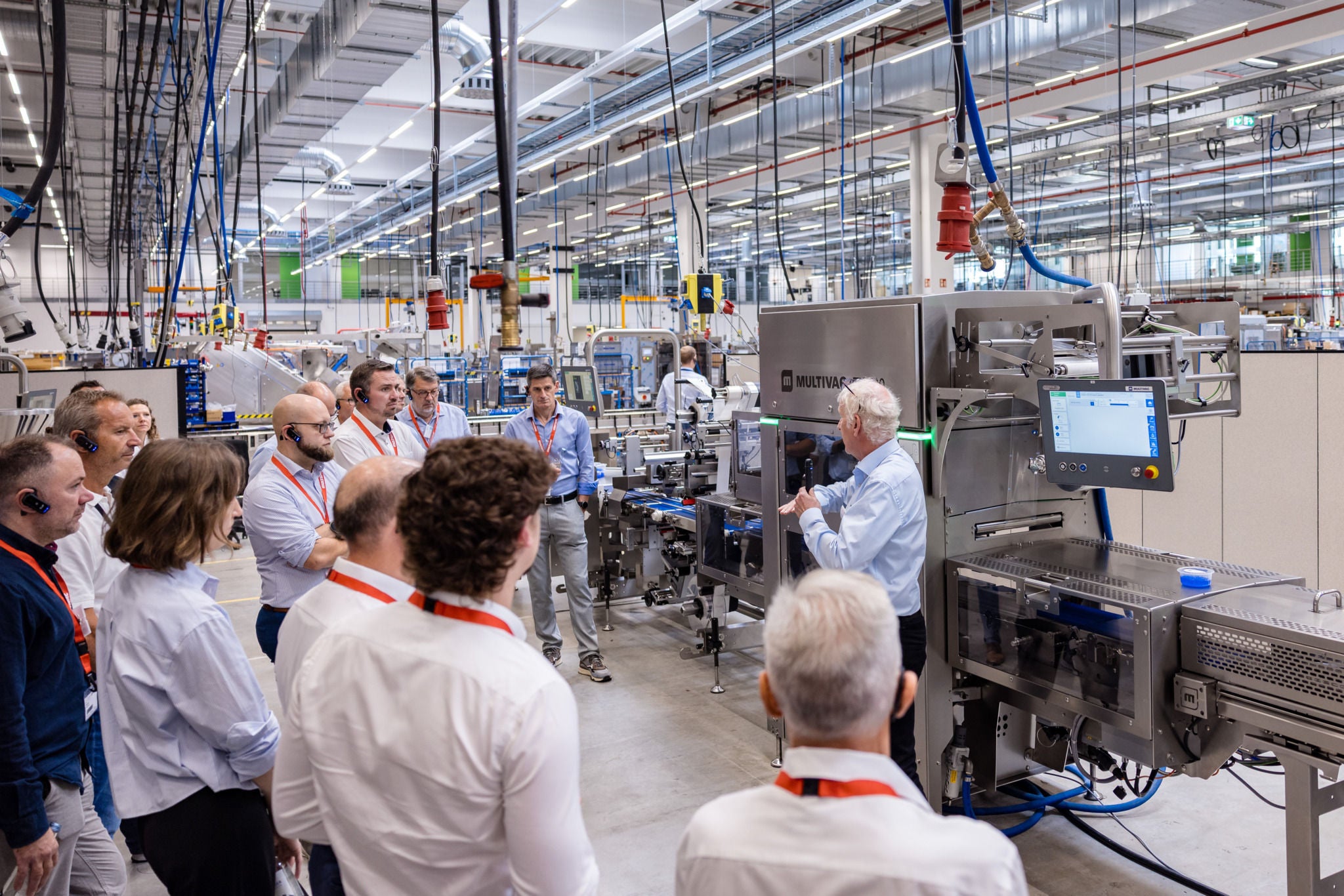
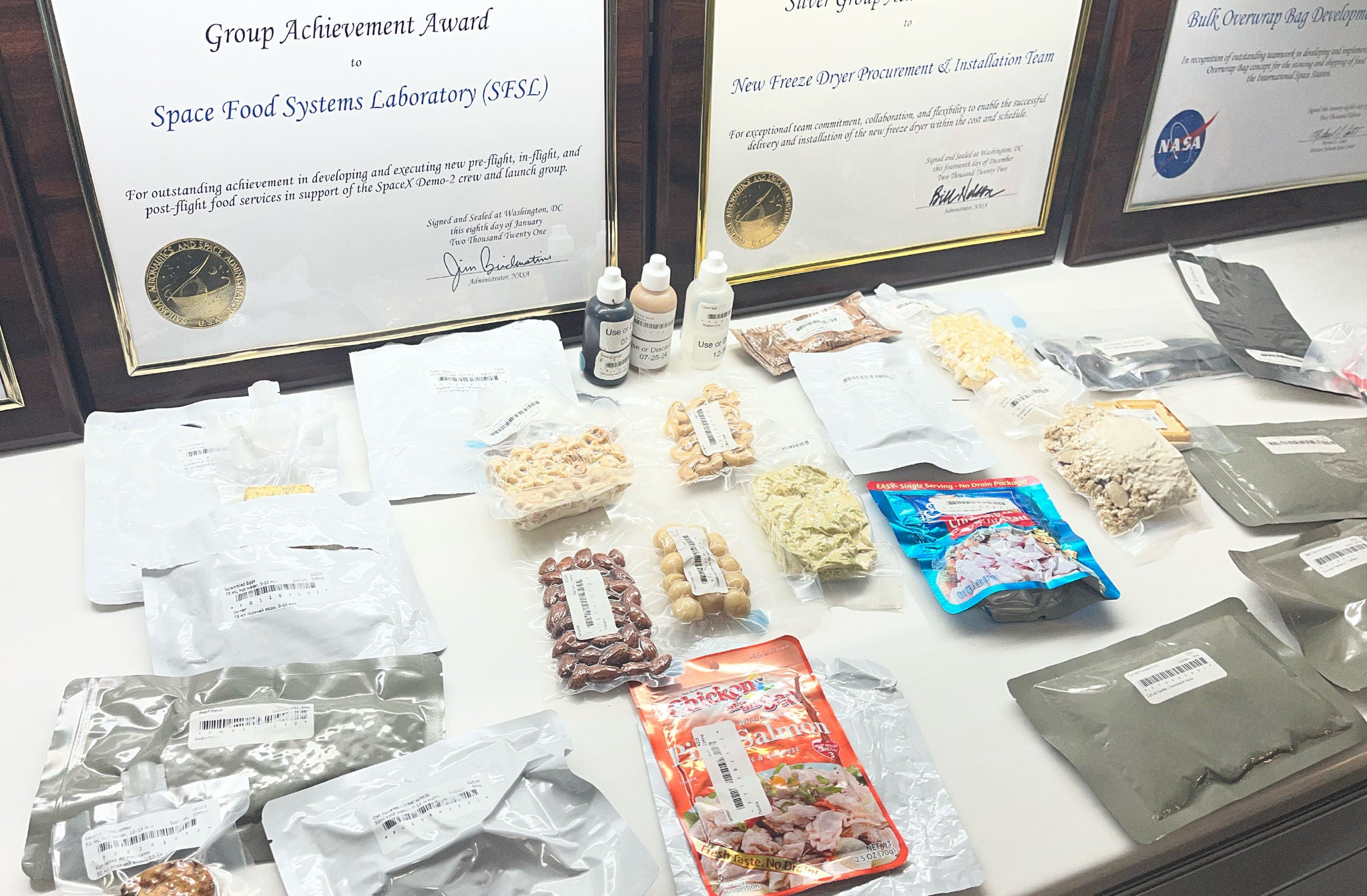
Recently, a visit to NASA’s Johnson Space Center revealed a remarkable connection: MULTIVAC C 200 chamber machines are helping package the meals that astronauts rely on aboard the International Space Station (ISS) and for missions supported by SpaceX. For a company focused on precision, reliability, and the highest standards of food safety, discovering our equipment in one of the most demanding environments imaginable is more than an honor—it’s a testament to what thoughtful engineering can achieve.
A Behind-the-Scenes Look at Space Food Preparation
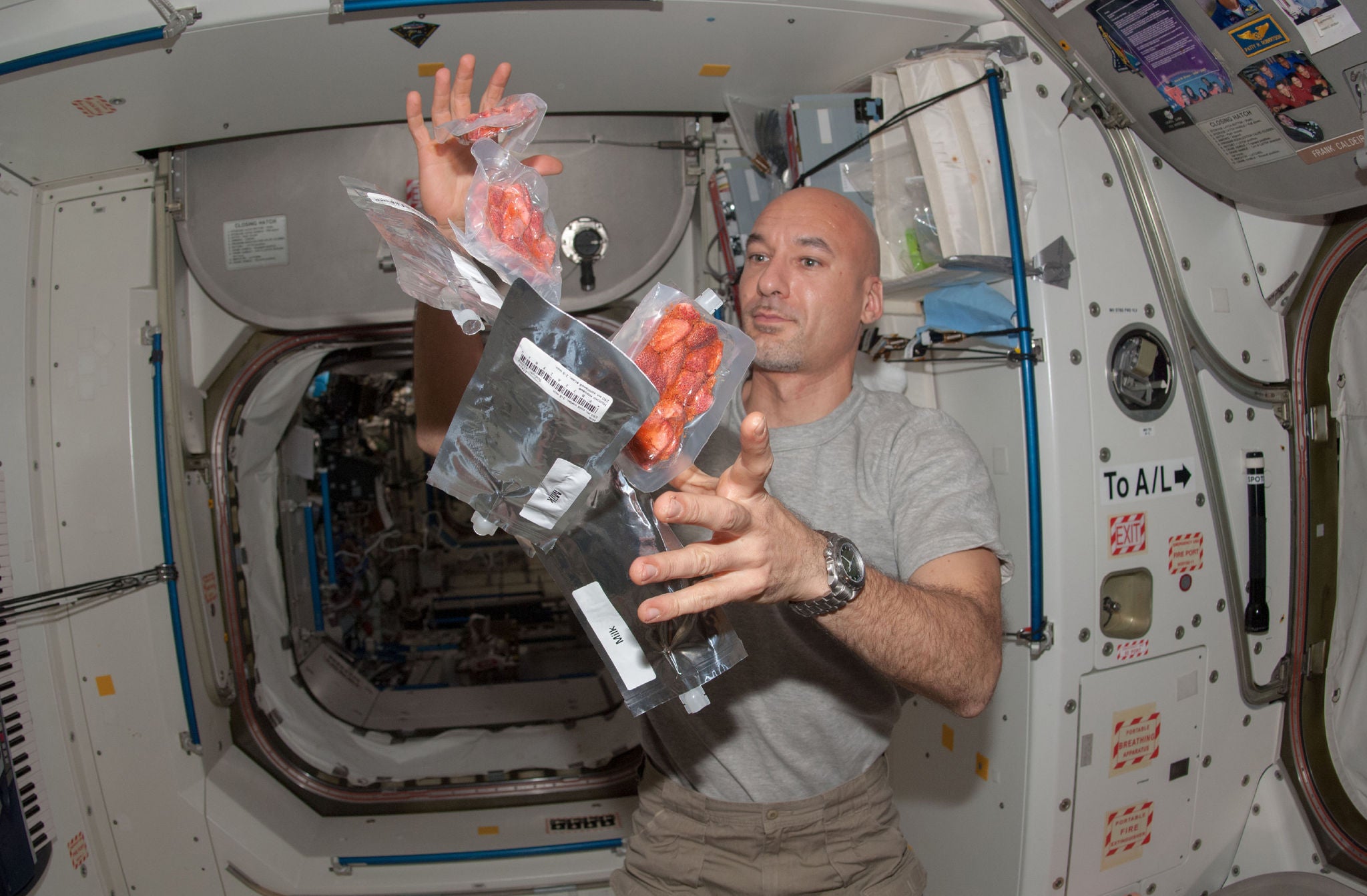
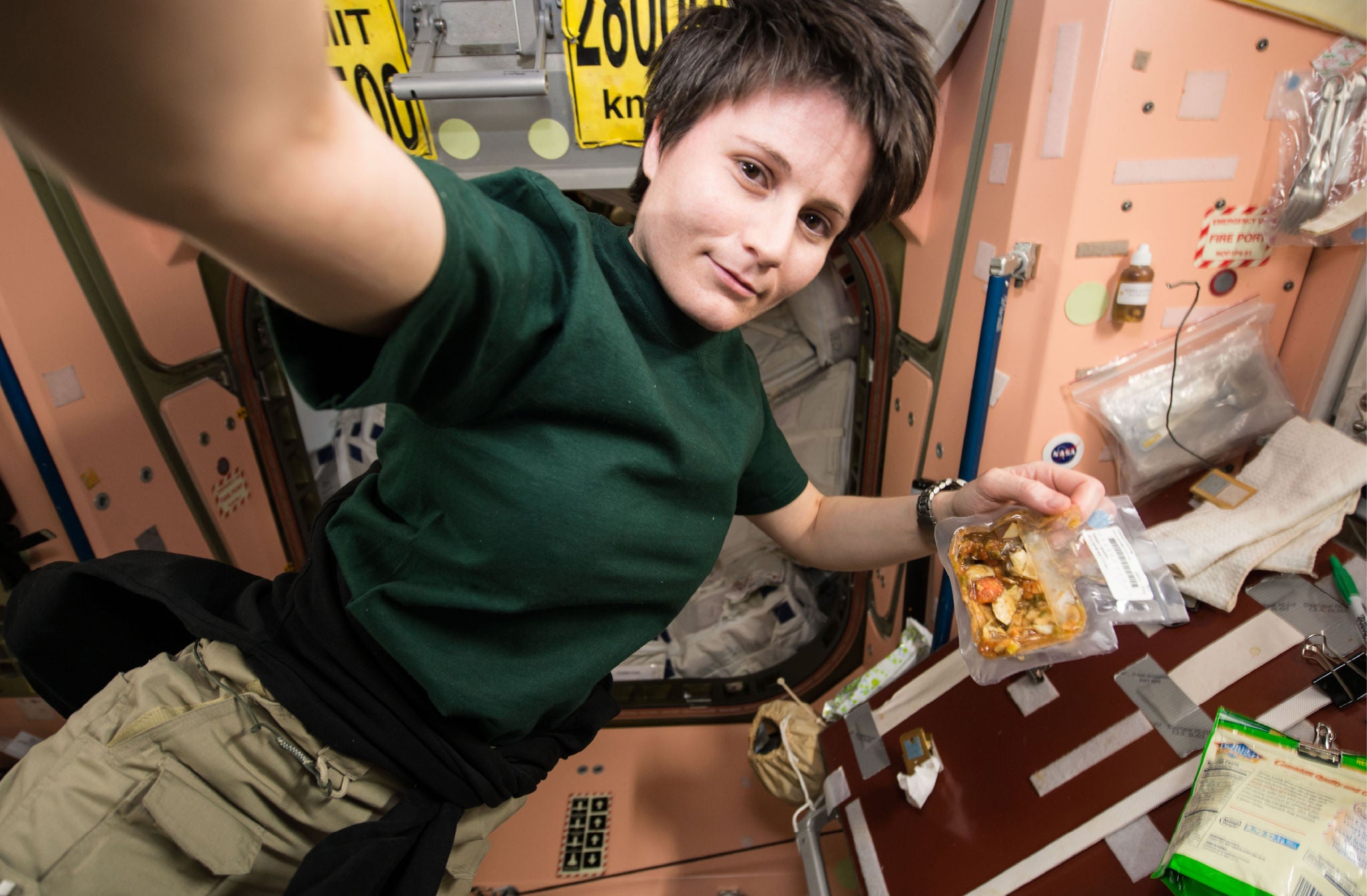
Astronaut food might seem like a simple detail in the larger story of space exploration, but it is anything but simple. Meals must be nutritionally complete, shelf-stable, lightweight, easy to rehydrate, and safe to consume in zero gravity. As Brian Shamblin, Megan Place, and Bret Moeller learned during their tour, astronauts can also be surprisingly discerning eaters. Meals are evaluated by tasting panels, curated by mission commanders, and sometimes even crafted with input from professional chefs.
It’s a global effort as well. Food for space missions is prepared in facilities across the United States, Russia, France, and Italy—each contributing to the diverse menus that sustain astronauts during long missions. Packaging for these meals must also meet practical communication needs, with labeling provided in both English and Russian.
Precision Sealing for a Zero-Gravity Dining Room
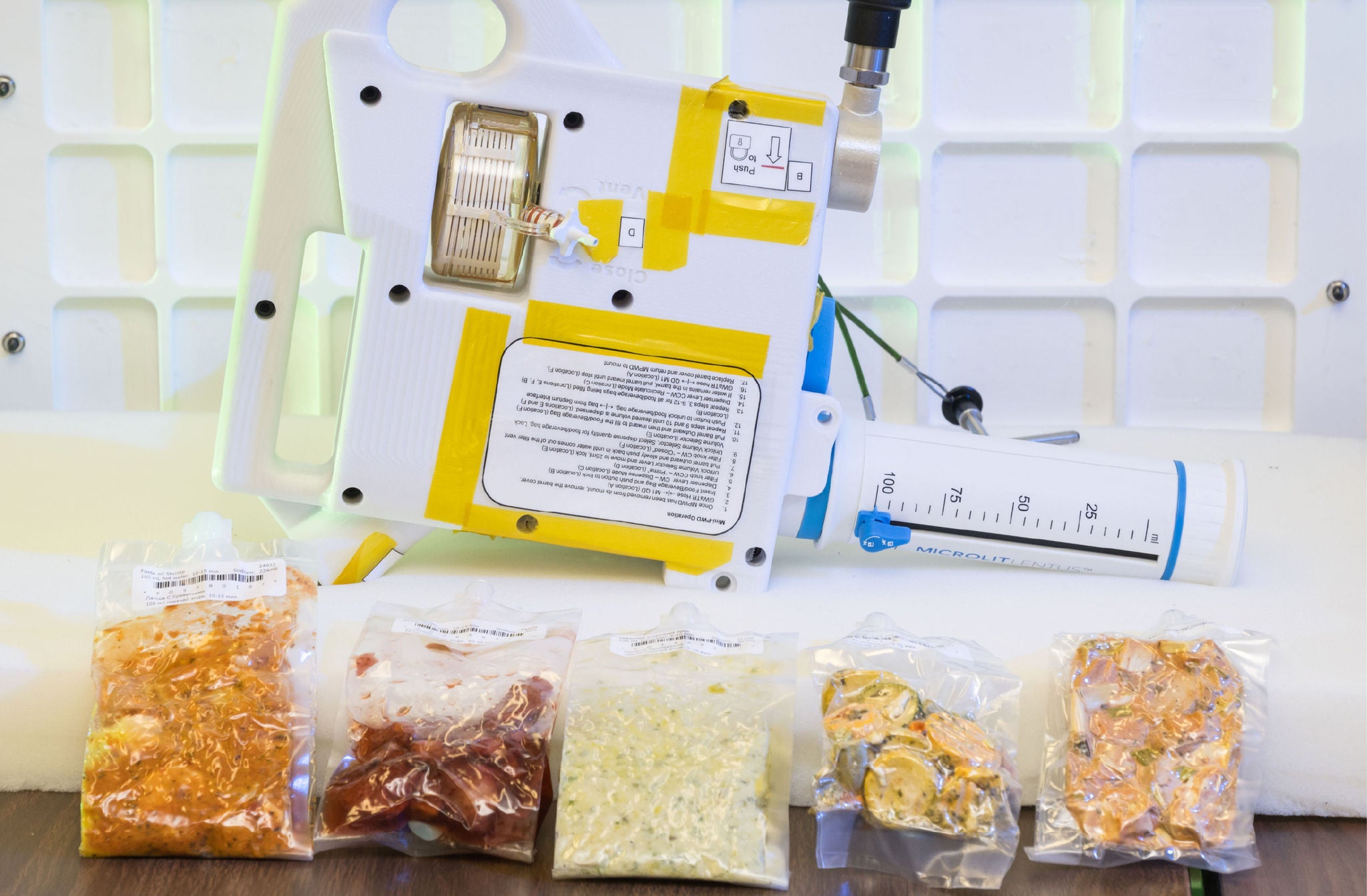
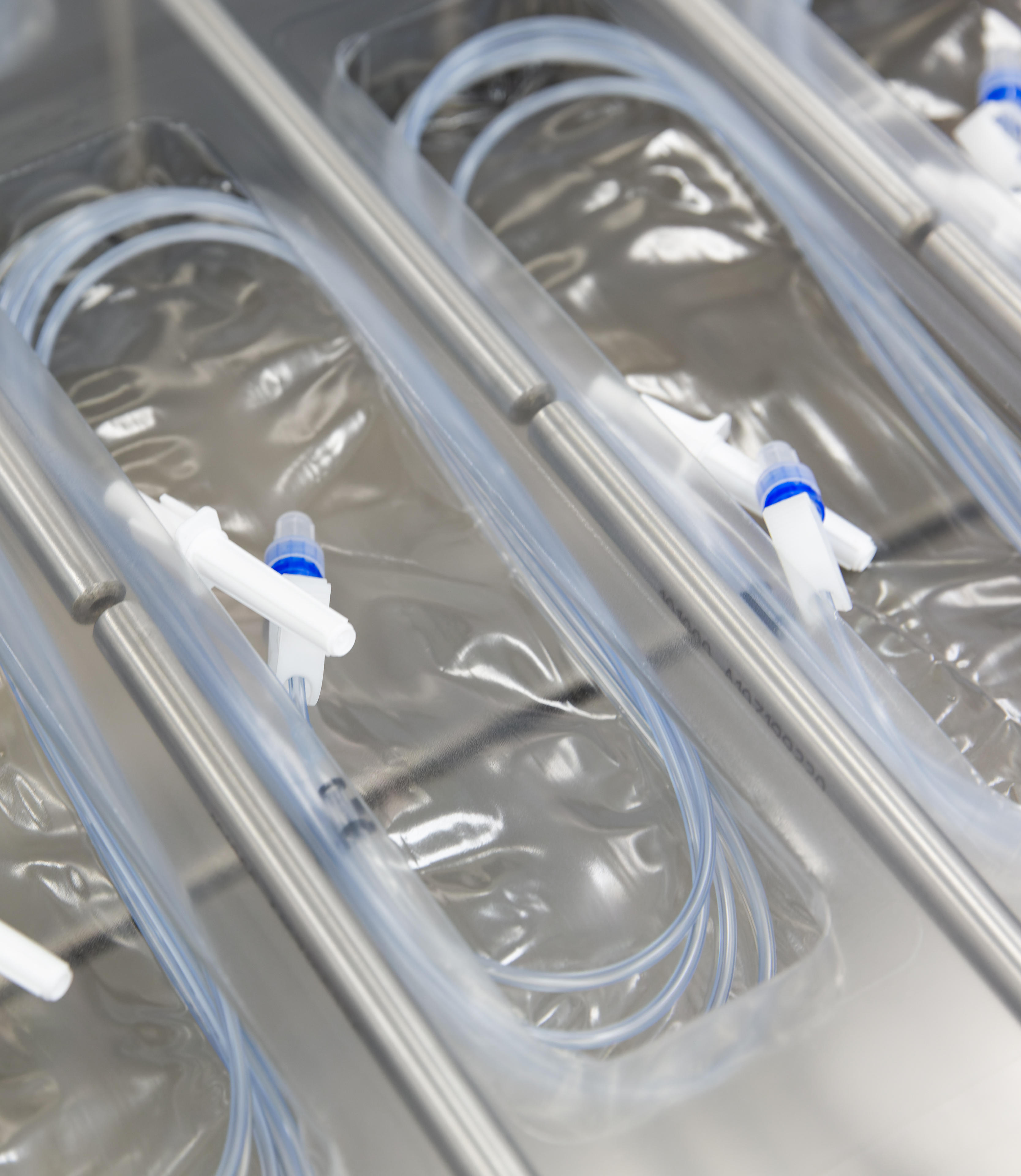
In this complex system, MULTIVAC’s role is both focused and vital. NASA recently purchased two additional C 200 chamber machines, each modified with a specialized seal bar that allows a tube to be inserted so astronauts can rehydrate their meals. The opposite side of the package includes an easy-open feature, ensuring astronauts can access their food without unnecessary tools or complications—especially important in microgravity.
These requirements leave no room for error. A seal must be perfect. Materials must withstand vibration, extreme temperature fluctuations, and long storage times. Every package must protect its contents completely, because there is no backup food locker floating in space.
The fact that NASA relies on MULTIVAC equipment speaks to several hard-earned qualities: reliability, precision sealing technology, engineering consistency, and trust from world-class organizations operating in the harshest environments. Space is the ultimate proving ground—and our equipment is helping meet the challenge.
Walking Through History and Future Missions
Beyond the food lab, the team also had a chance to step into the rich legacy of human spaceflight. They visited the restored Mission Control room preserved as it appeared during Apollo 13—from original coffee cups to the ashtrays that once sat beside consoles monitoring a crisis that the world watched unfold.
They also toured full-scale ISS training modules, where astronauts rehearse missions before ever leaving Earth, and explored the Rocket Room, home to the Saturn V rocket on loan from the Smithsonian. Each stop underscored the extraordinary blend of history, engineering, and human determination that defines NASA’s work.
Latest news

 MUMI_Produktabbildung.indd






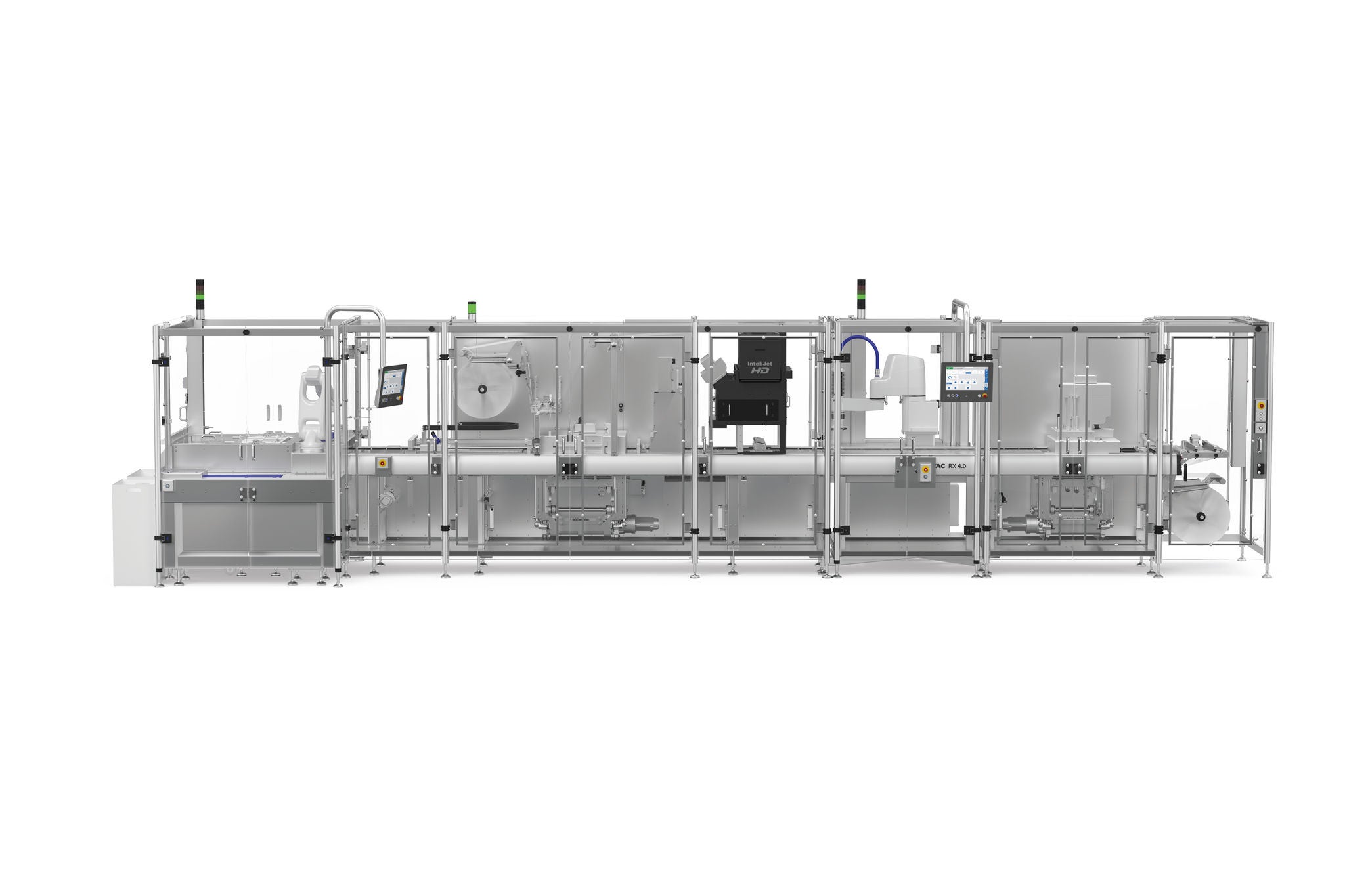
 MULTIVAC Packaging Solutions at ACHEMA 2024
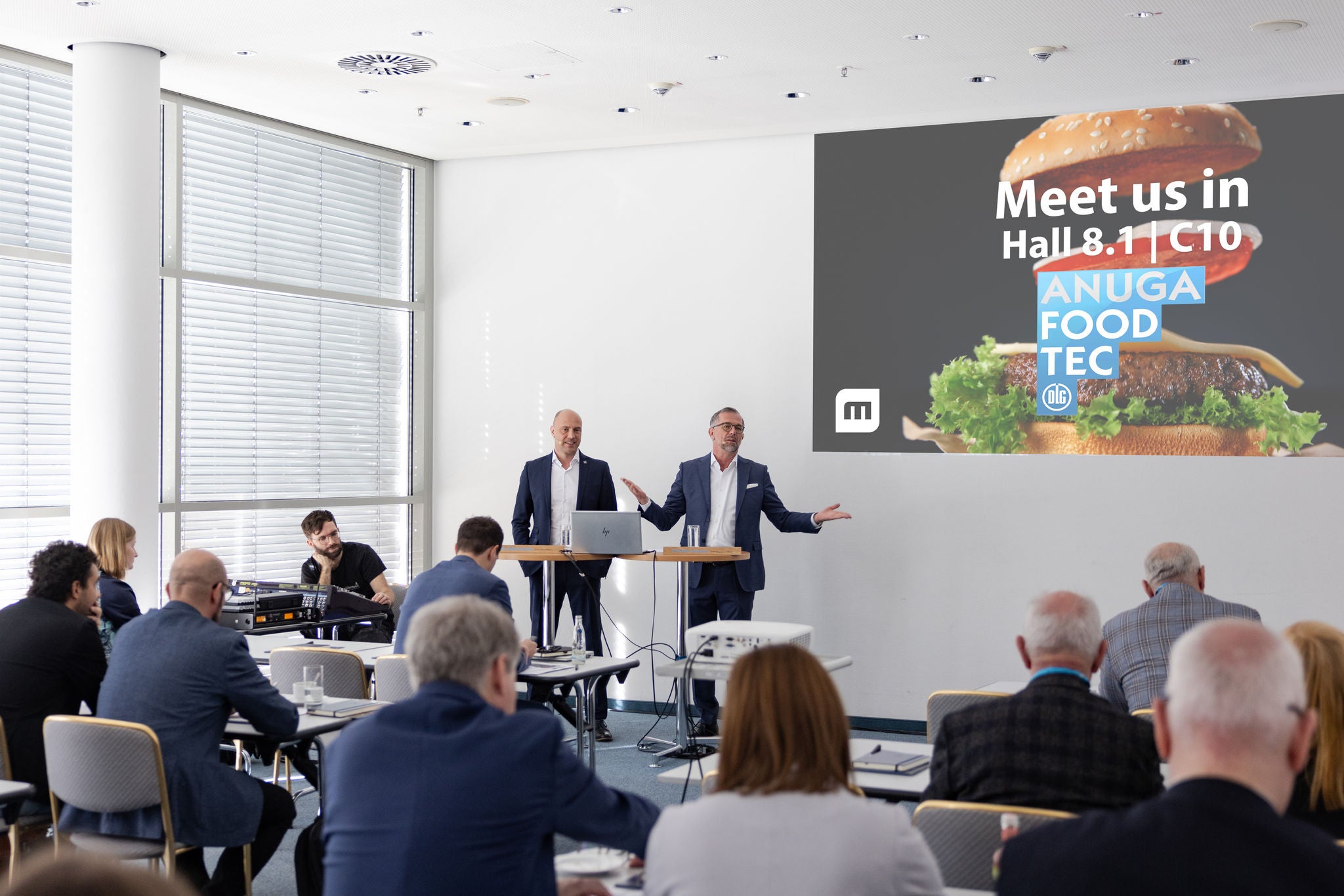 ANUGA FoodTec Presentation Event Highlights
 MULTIVAC Bakery Equipment Storefront Exterior
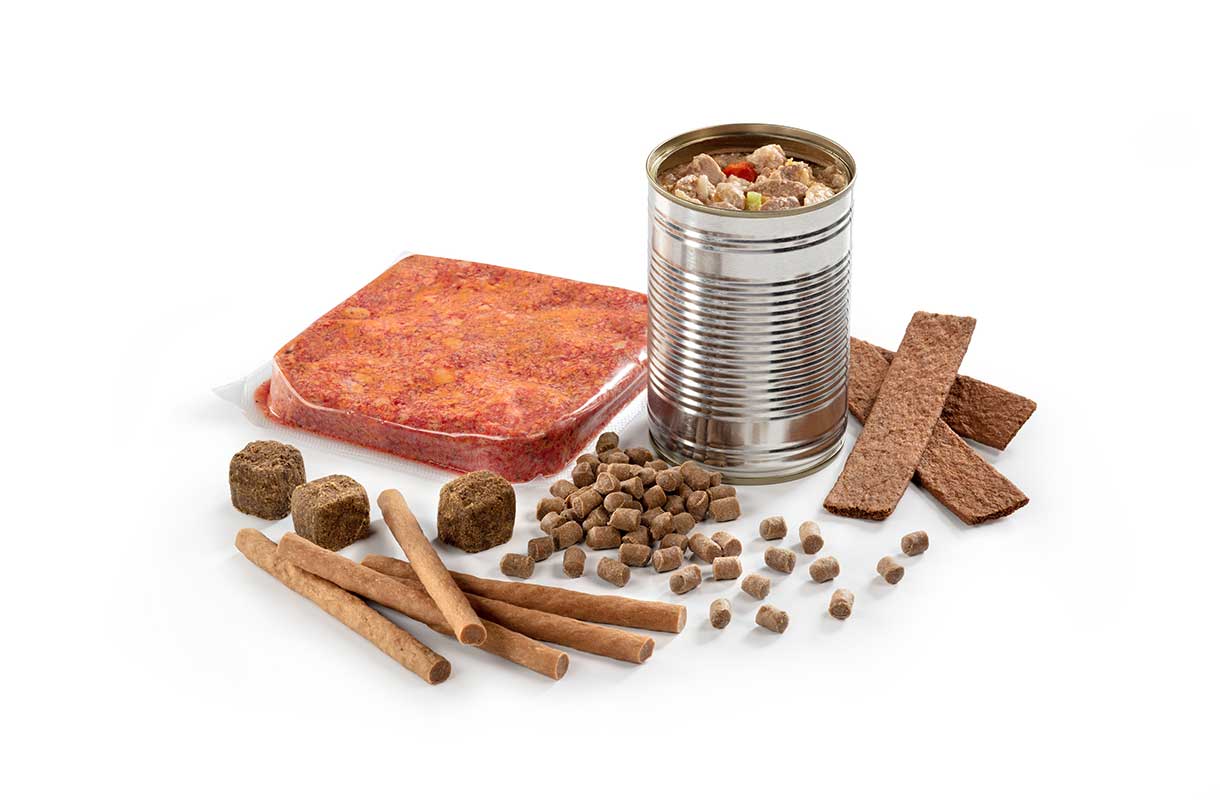 Pet Food Packaging Solutions by MULTIVAC
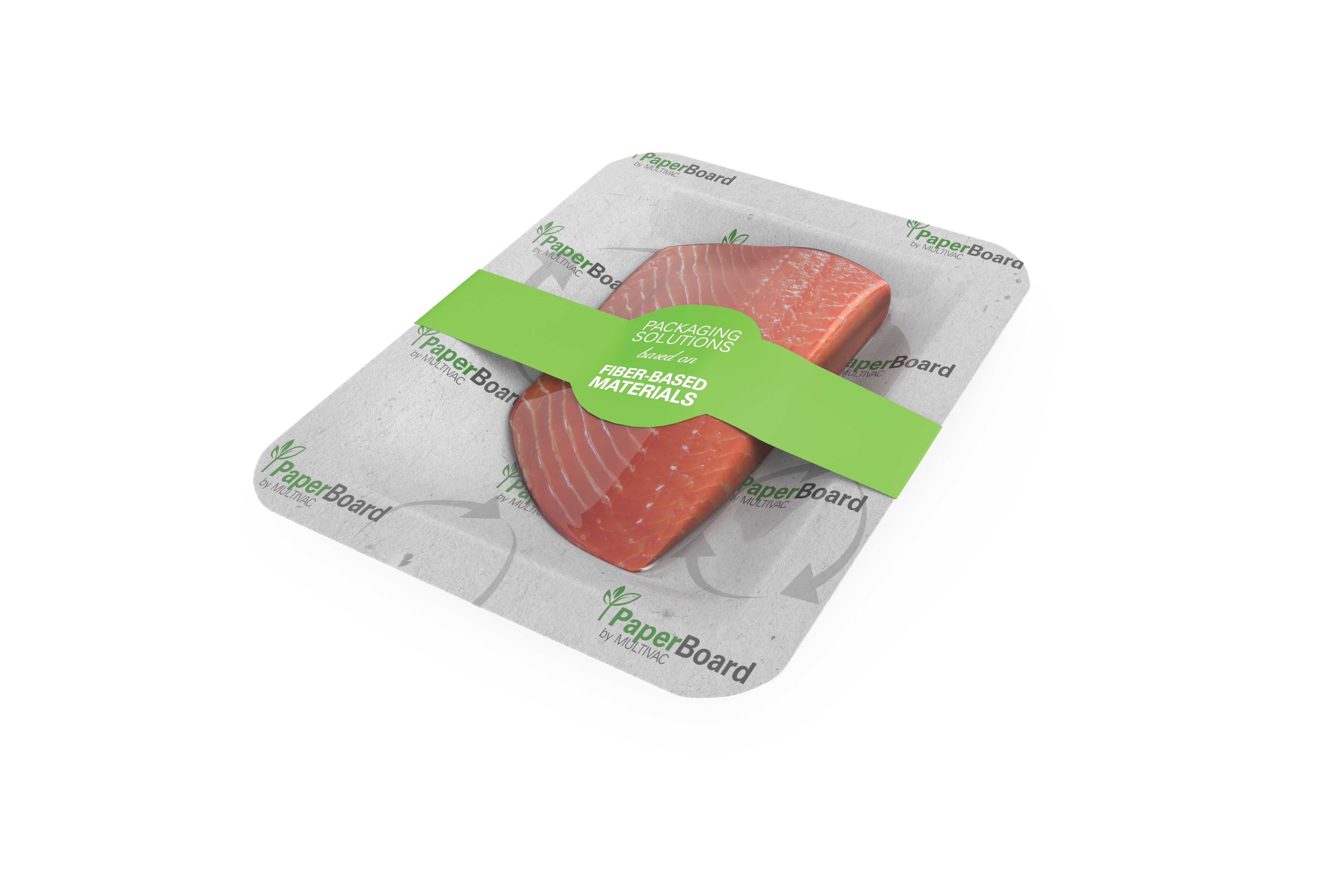
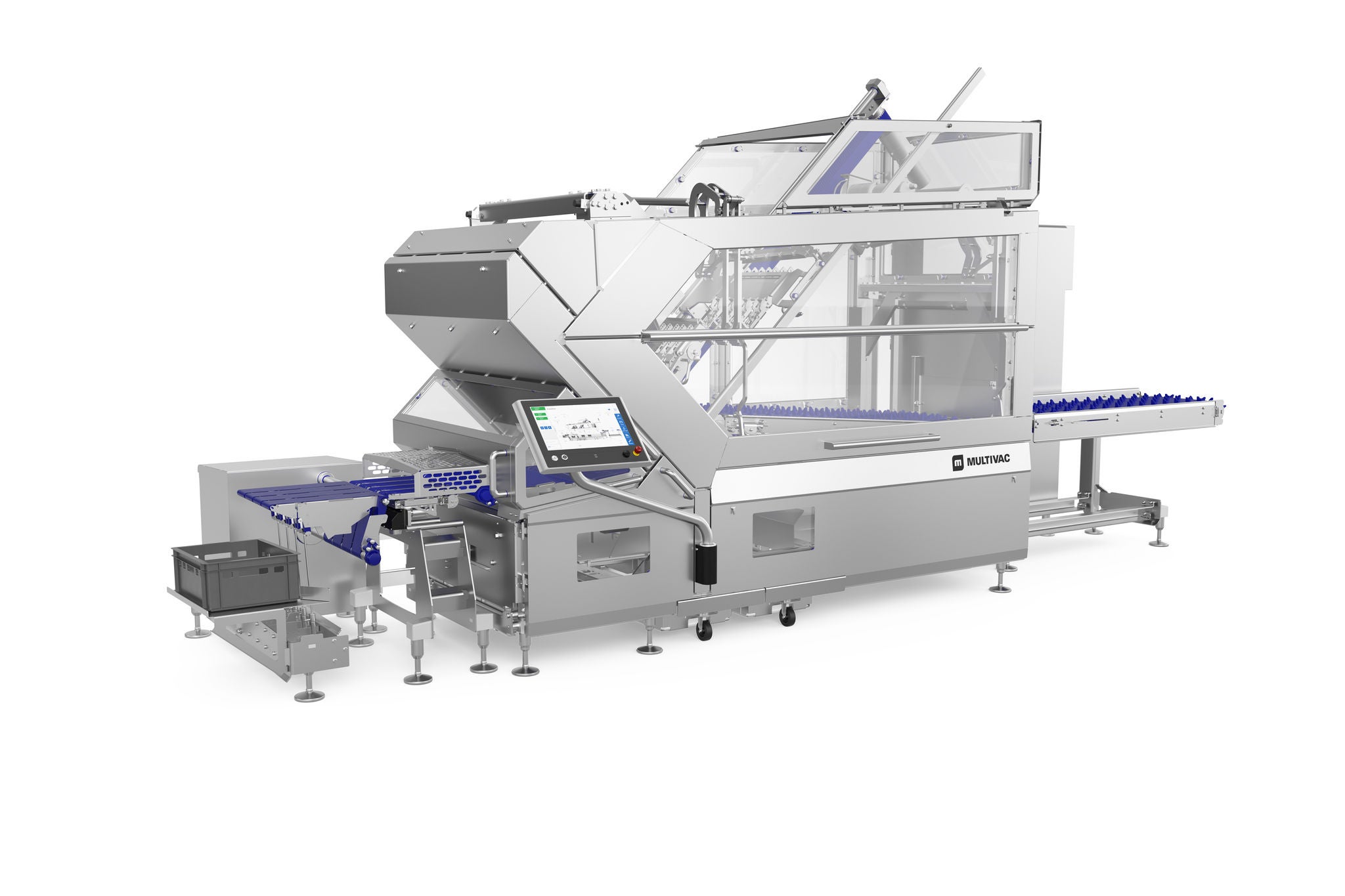 MULTIVAC Packaging Machine for Food Processing
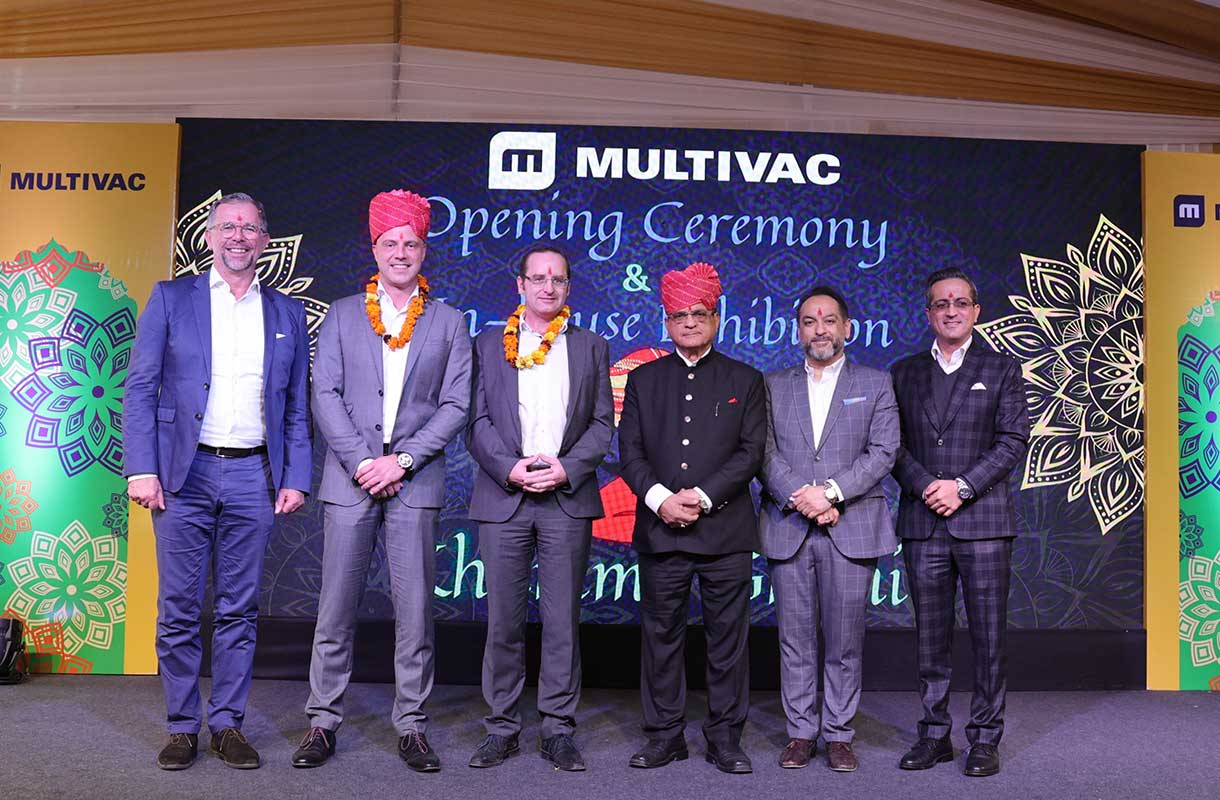 MULTIVAC Opening Ceremony Event
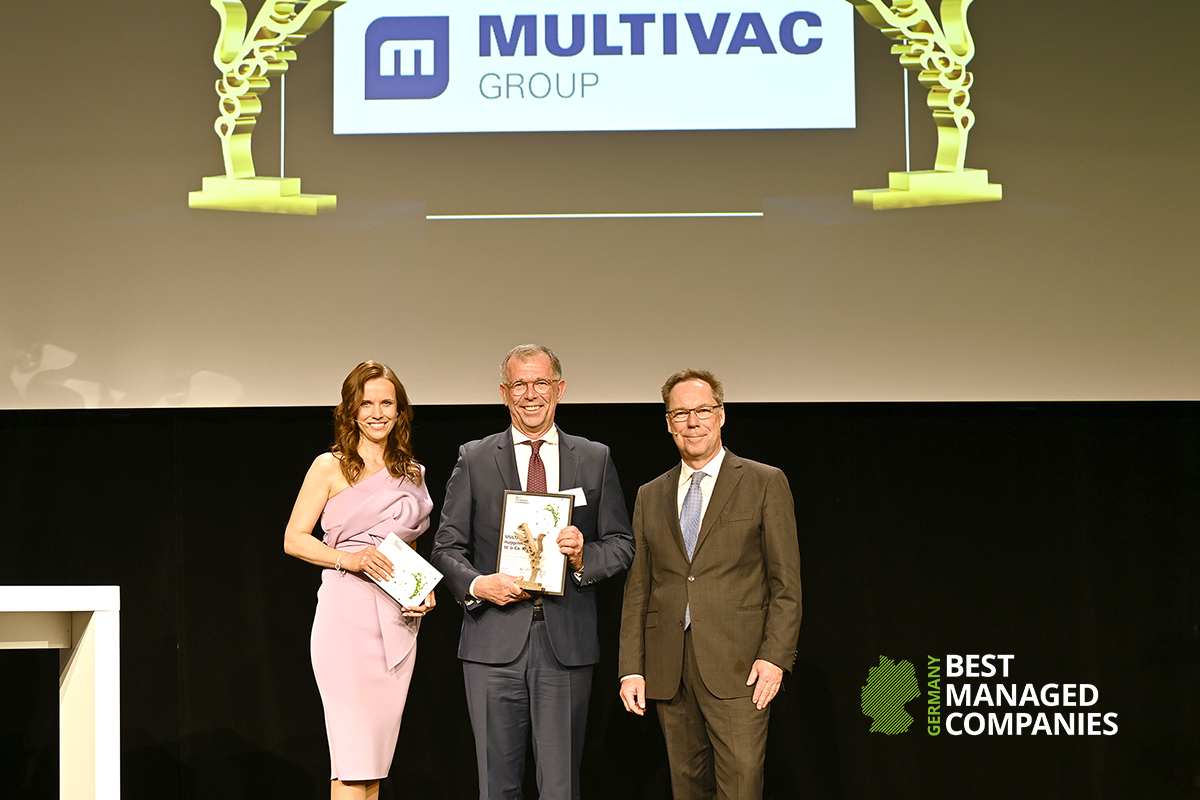 MULTIVAC Award Ceremony Event
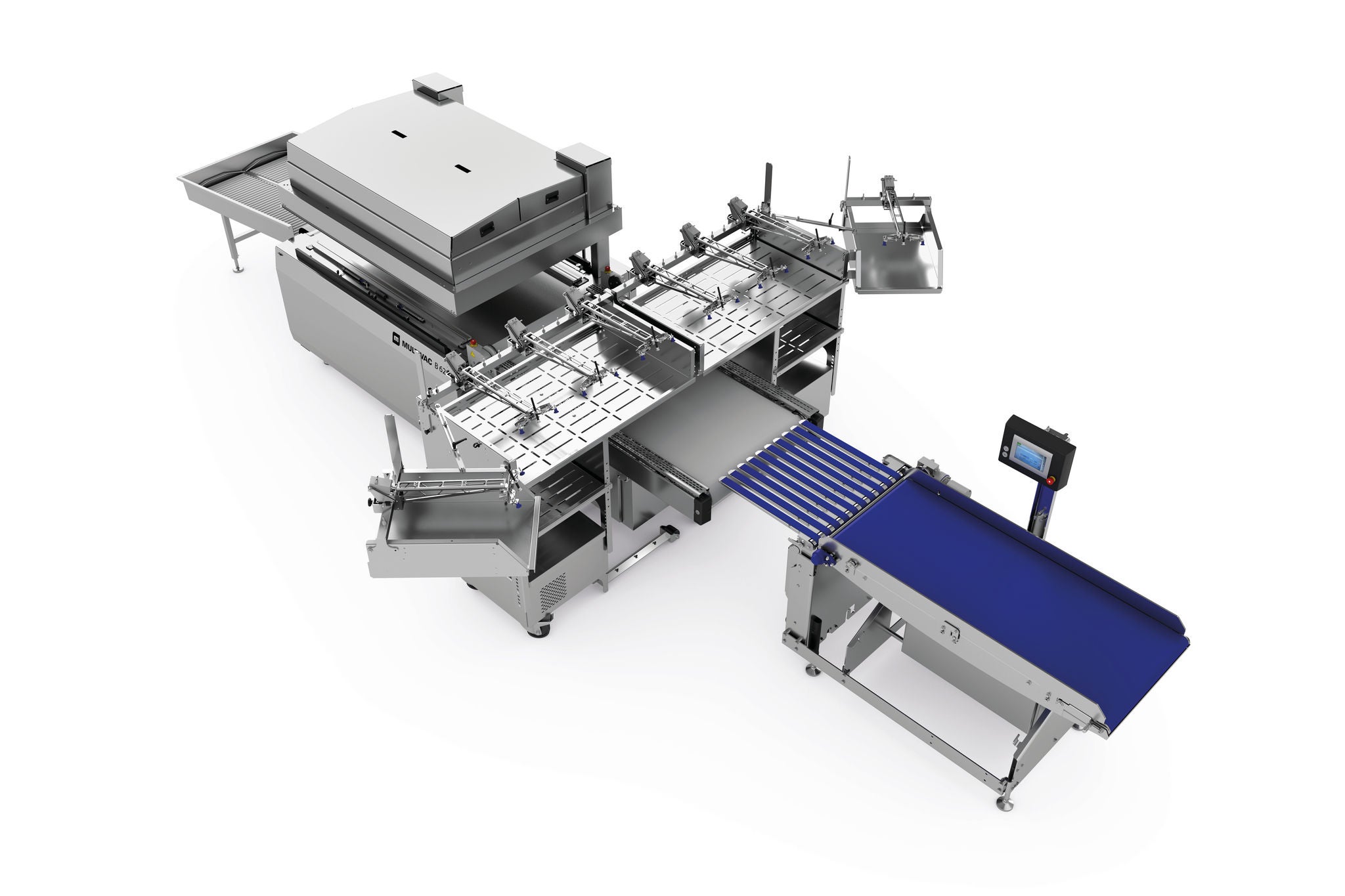 MULTIVAC Packaging Machine High-Tech Solution
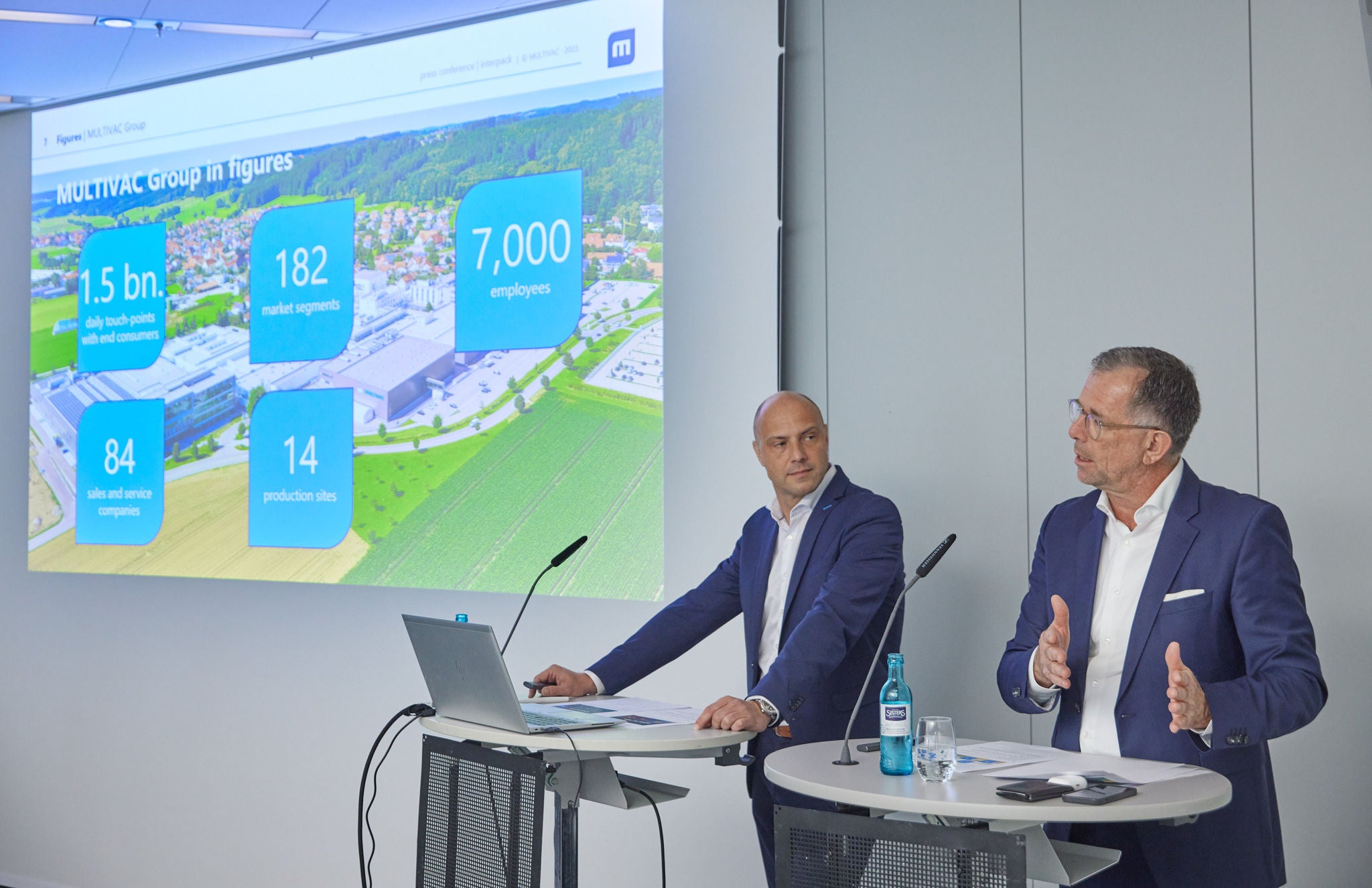 MULTIVAC Presentation on Company Figures
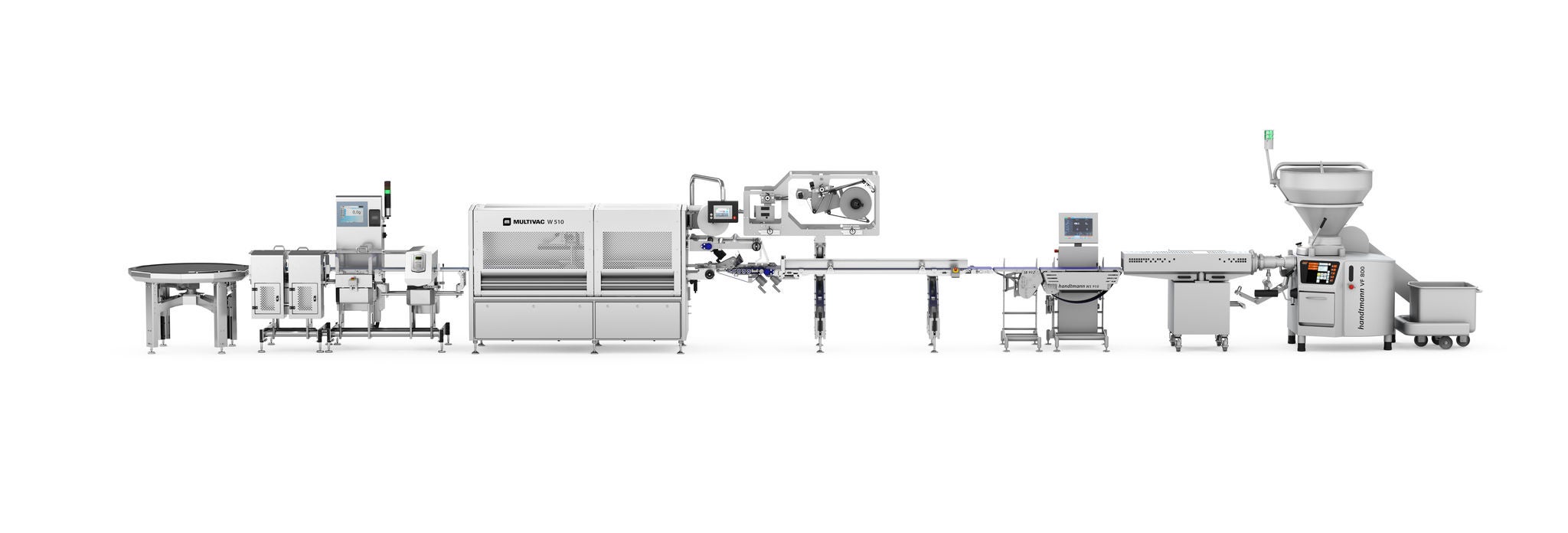 MULTIVAC Packaging Machine Conveyor System
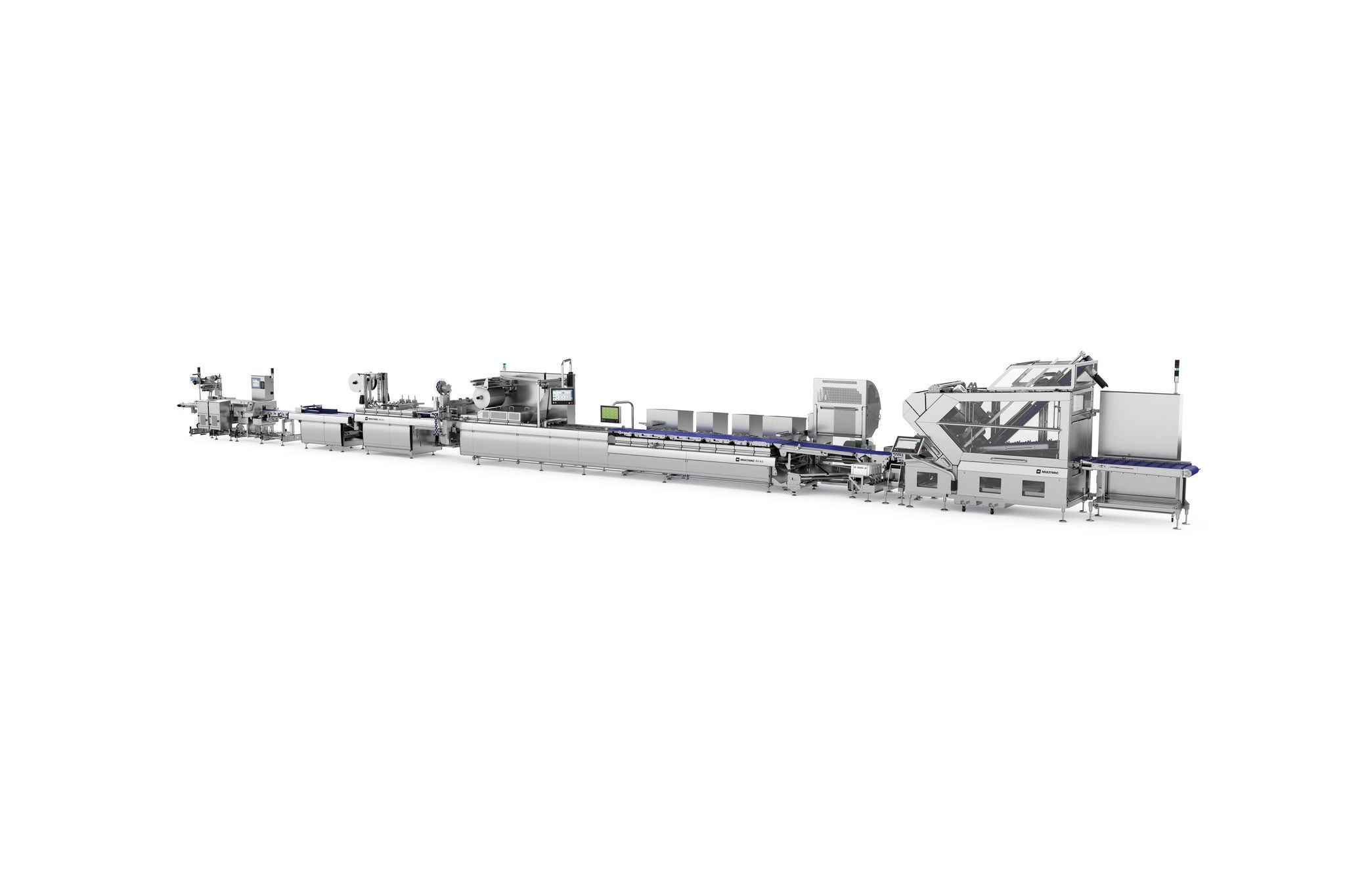 MULTIVAC Packaging Machine for Food Processing
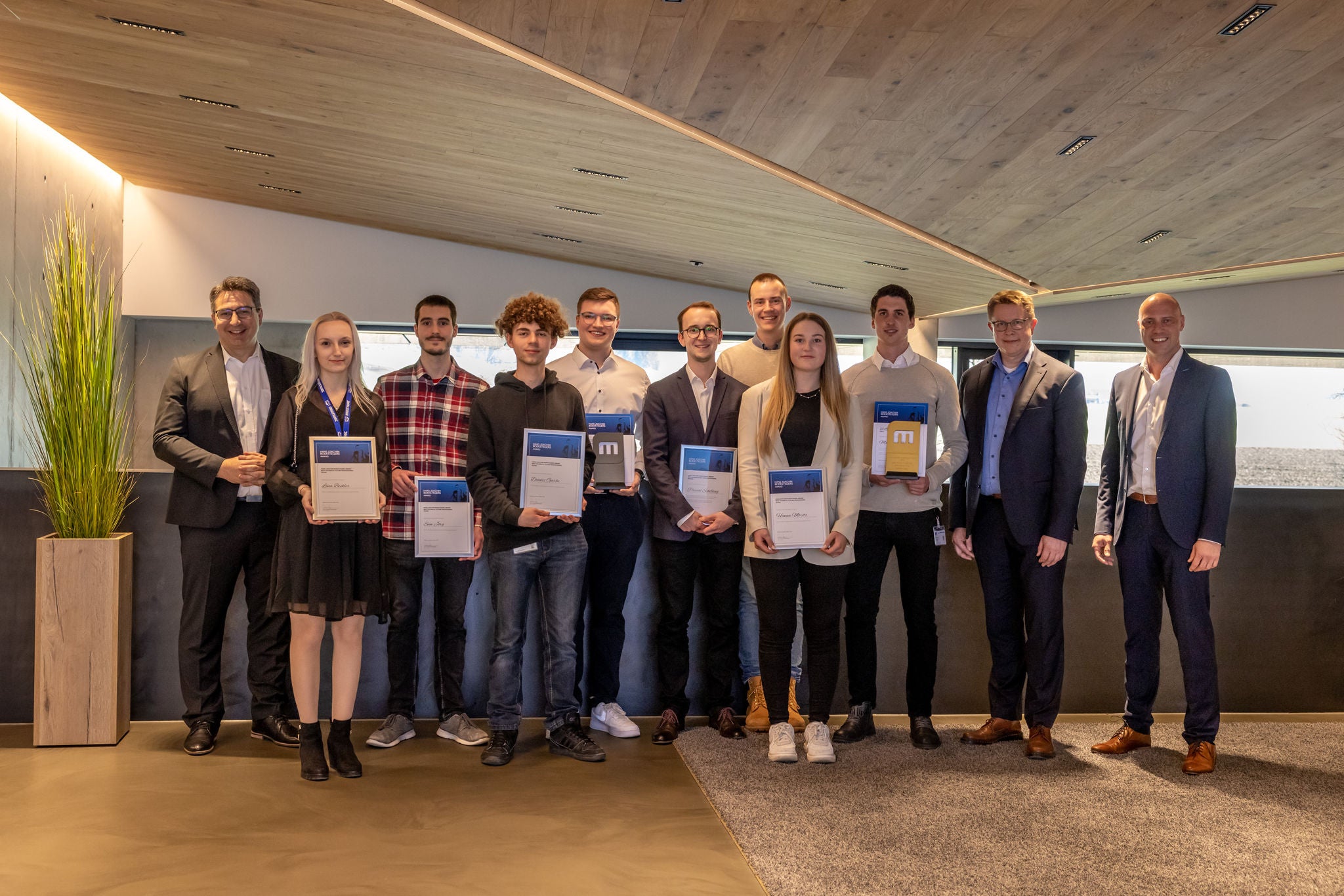 Award Ceremony Group Photo with Certificates
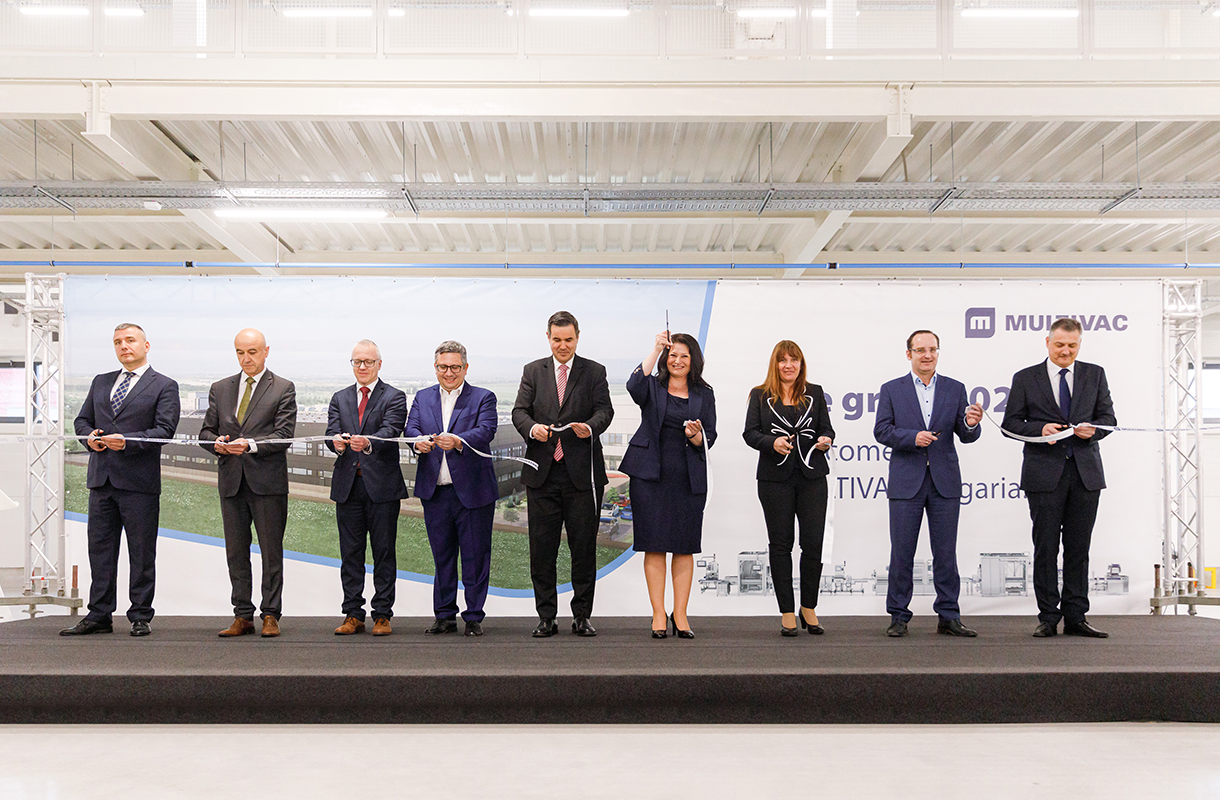 MULTIVAC Factory Opening Ceremony Event
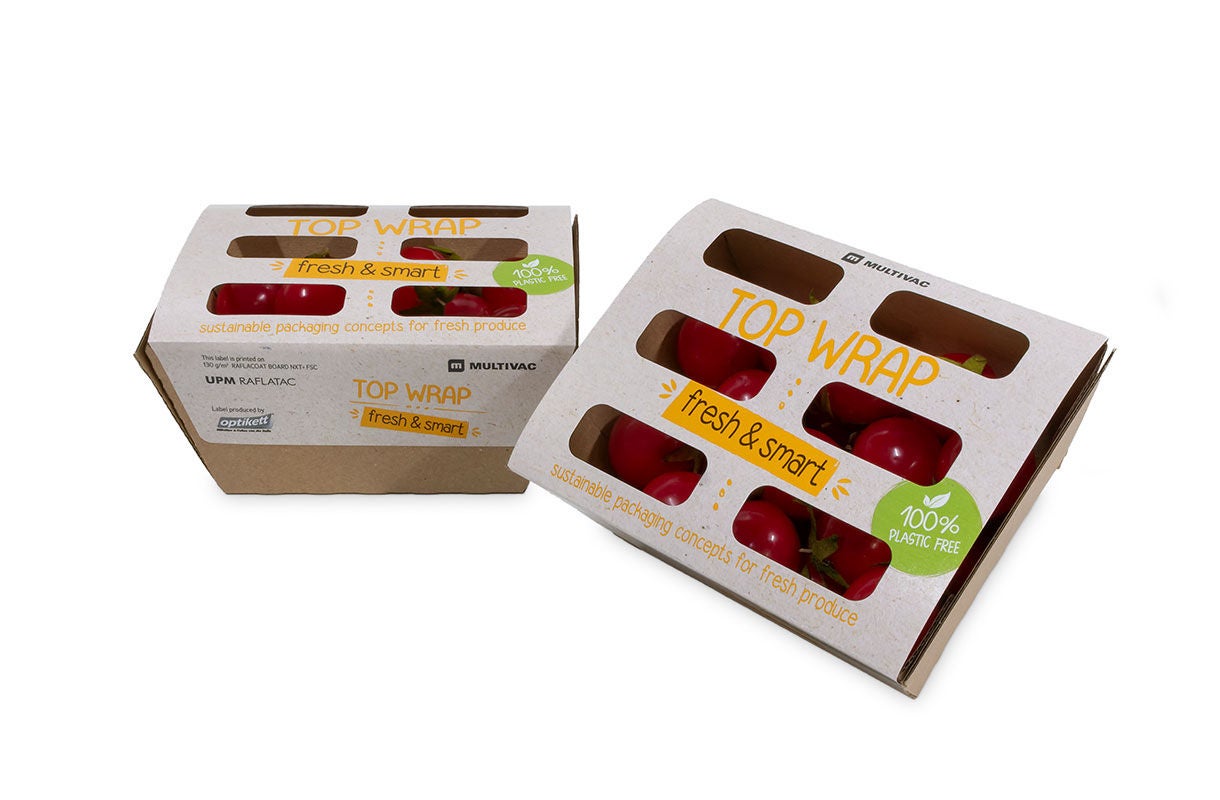 MULTIVAC Sustainable Packaging for Fresh Produce
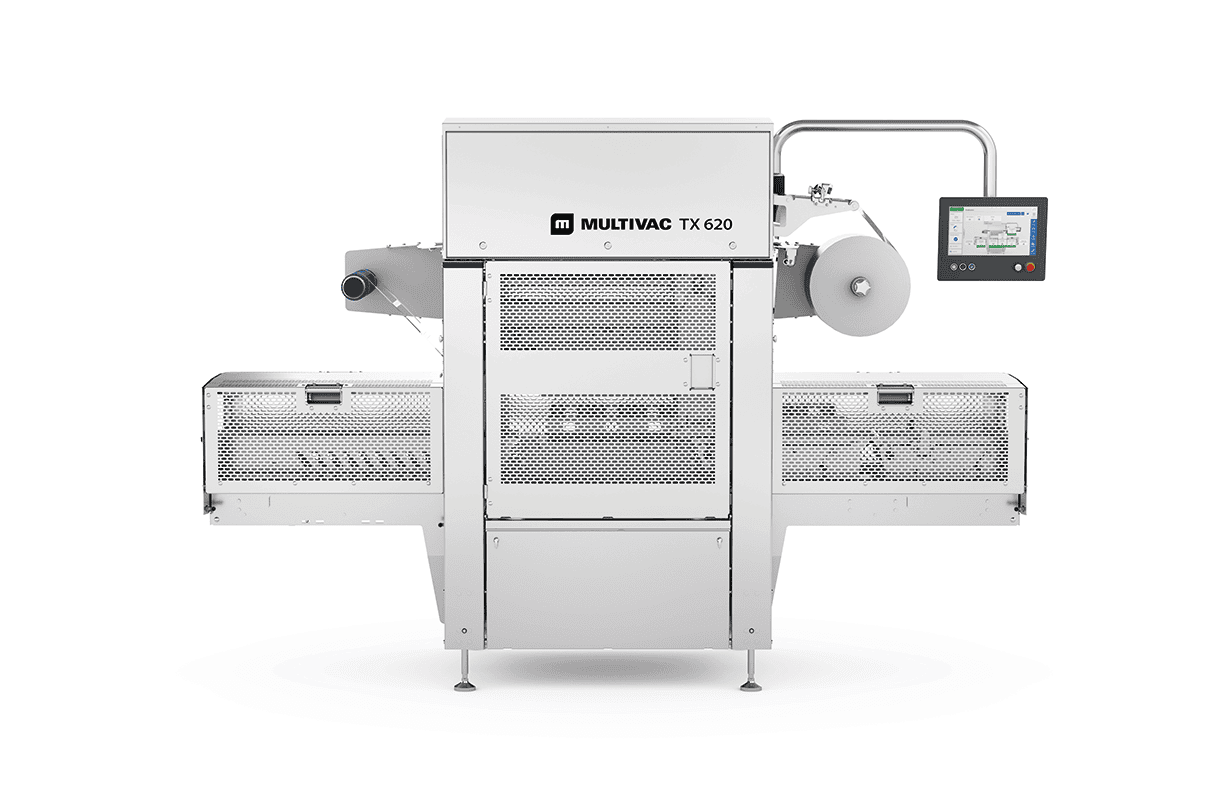 MULTIVAC TX620 Packaging Machine Front View
 MULTIVAC Website Displayed on Tablet Screen
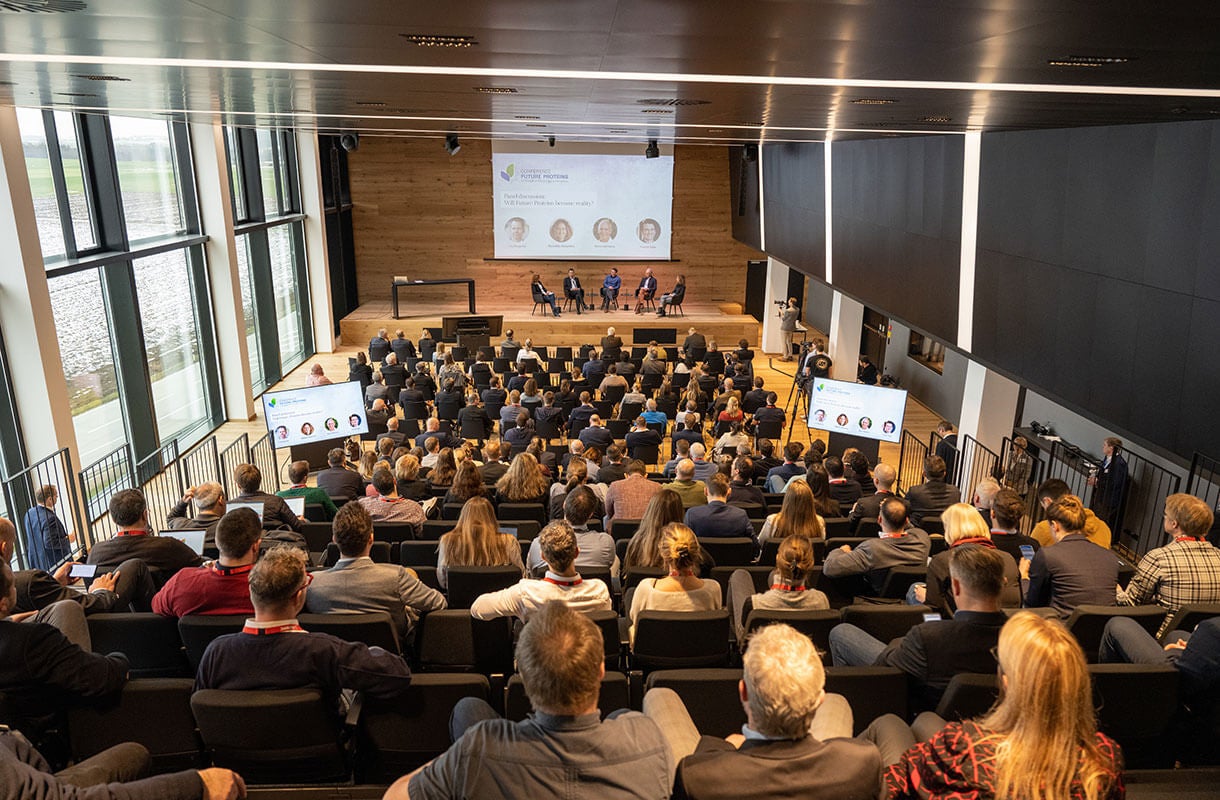 Conference Audience in Modern Auditorium
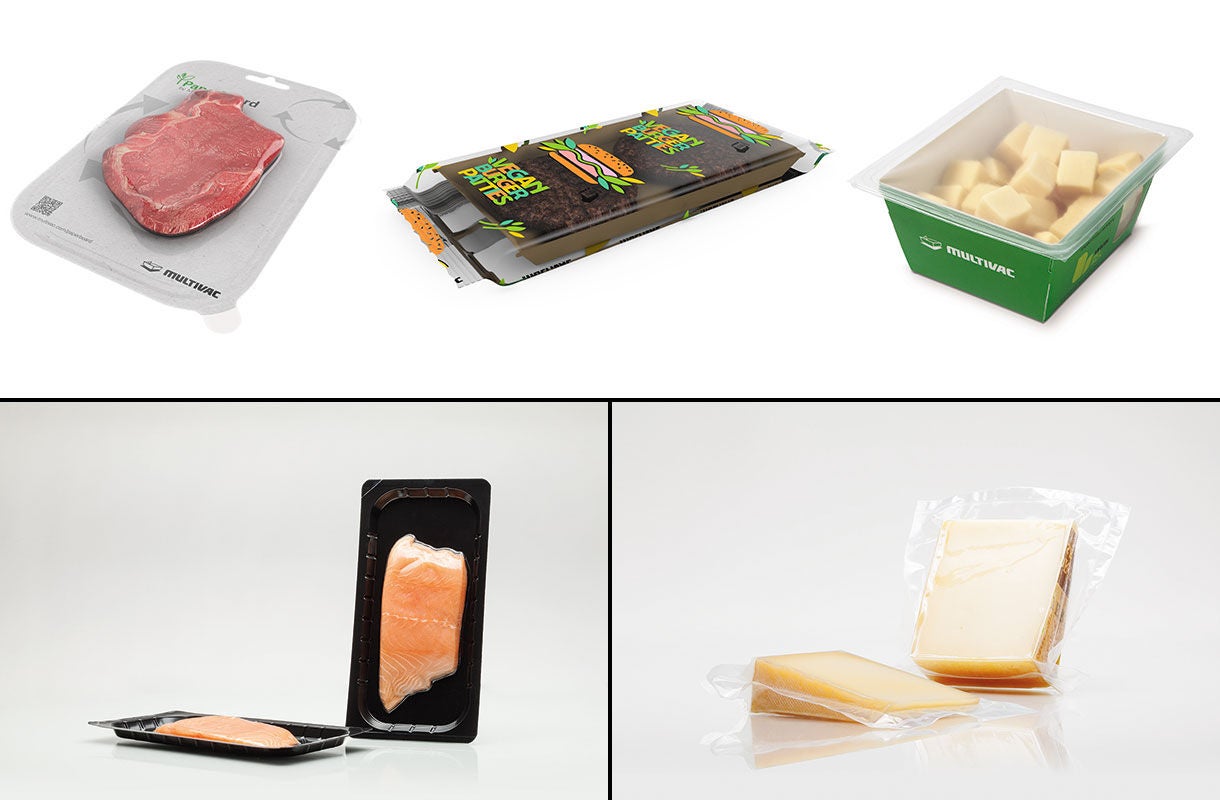 MULTIVAC Food Packaging Solutions Display
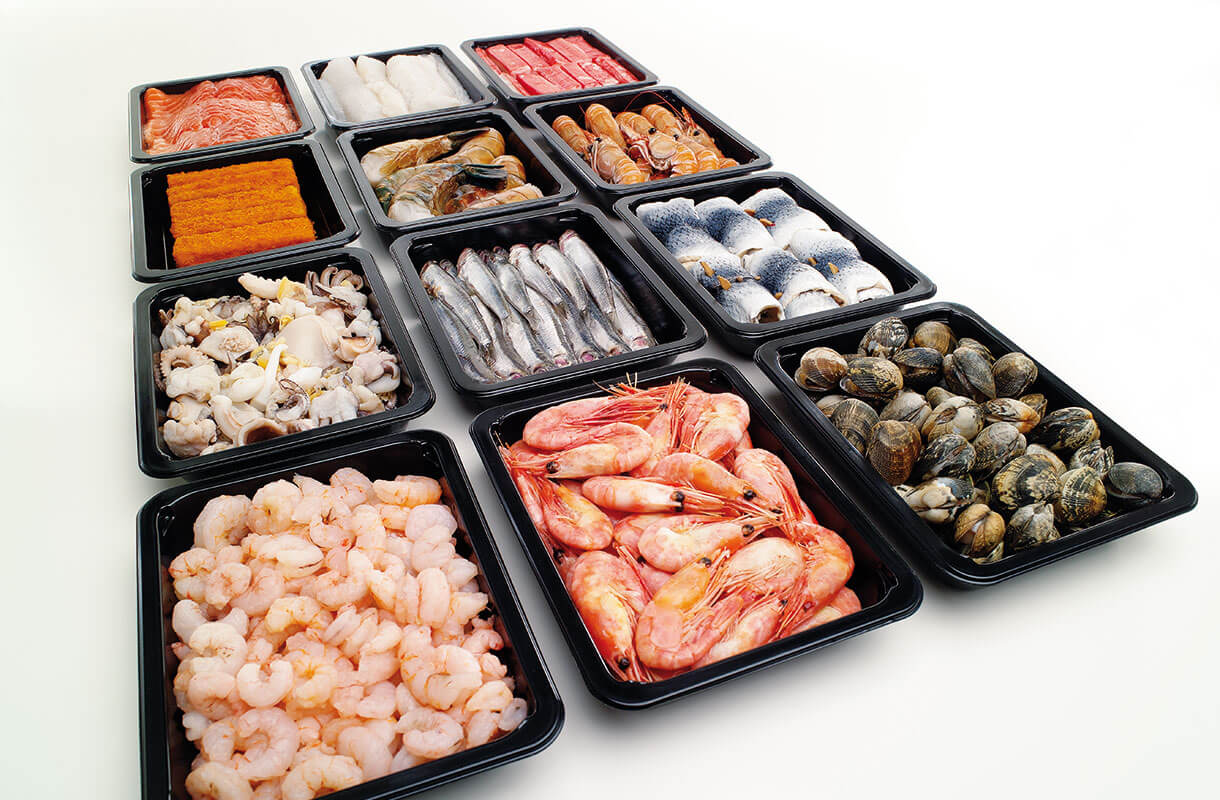 Seafood Packaging Solutions by MULTIVAC
 Baking Process with Freshly Kneaded Dough
 MULTIVAC Sustainable Packaging Solutions
 Vegetable Soup Bowl on Wooden Table
 MULTIVAC Future Proteins Conference Banner
 MULTIVAC Headquarters Modern Architecture Design
 Business Professional Portrait with Blurred Face
 Businessman in Formal Suit Portrait
 Industrial Machinery Setup MULTIVAC Factory Overview
 MULTIVAC Facility Exterior with Palm Tree View
 MULTIVAC Food Packaging Machine Display
 MULTIVAC Packaging Solutions for Fresh Produce
 MULTIVAC Packaging Machine Lineup
 MULTIVAC Packaging Machine High-Speed Efficiency
 Community Event in Large Tent Gathering
 MULTIVAC Anniversary Celebration Image
 Fleischer-Handwerk Award Ceremony Event Photo
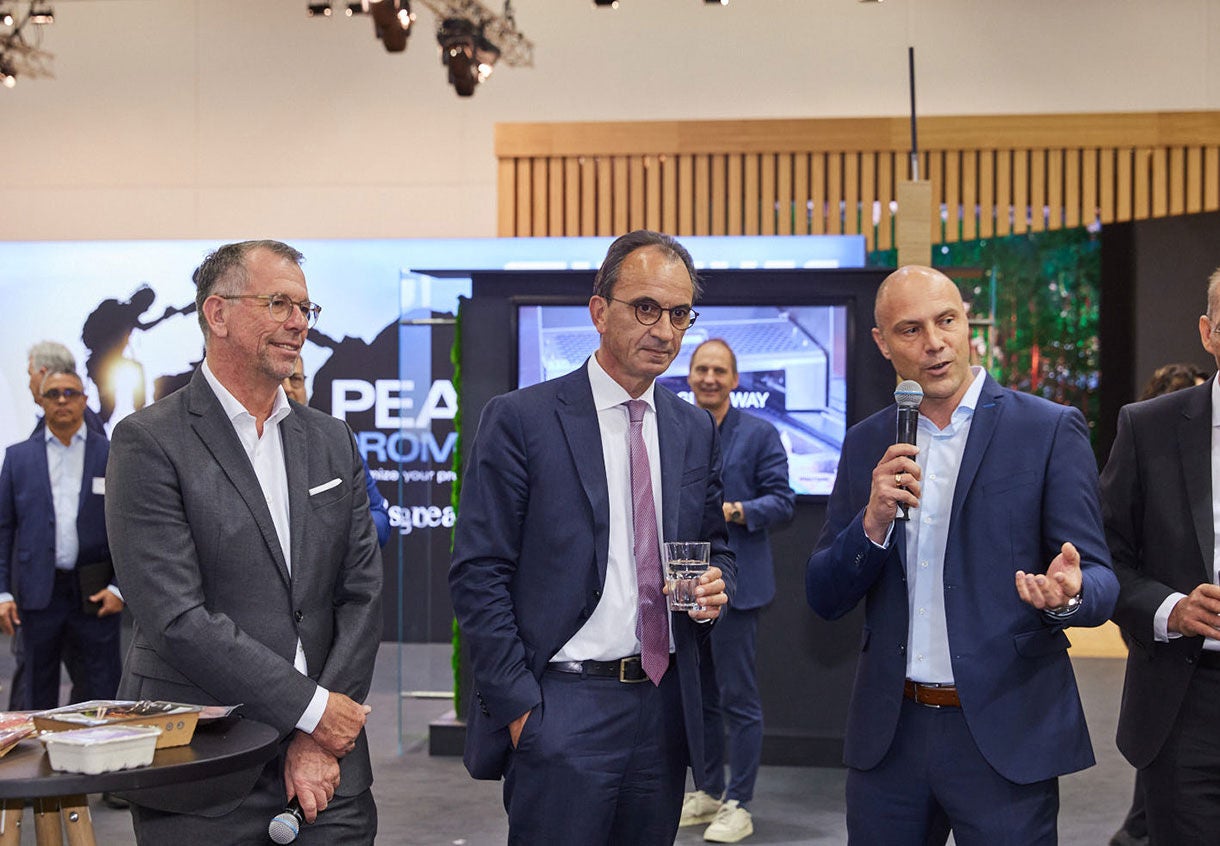 MULTIVAC Trade Show Presentation
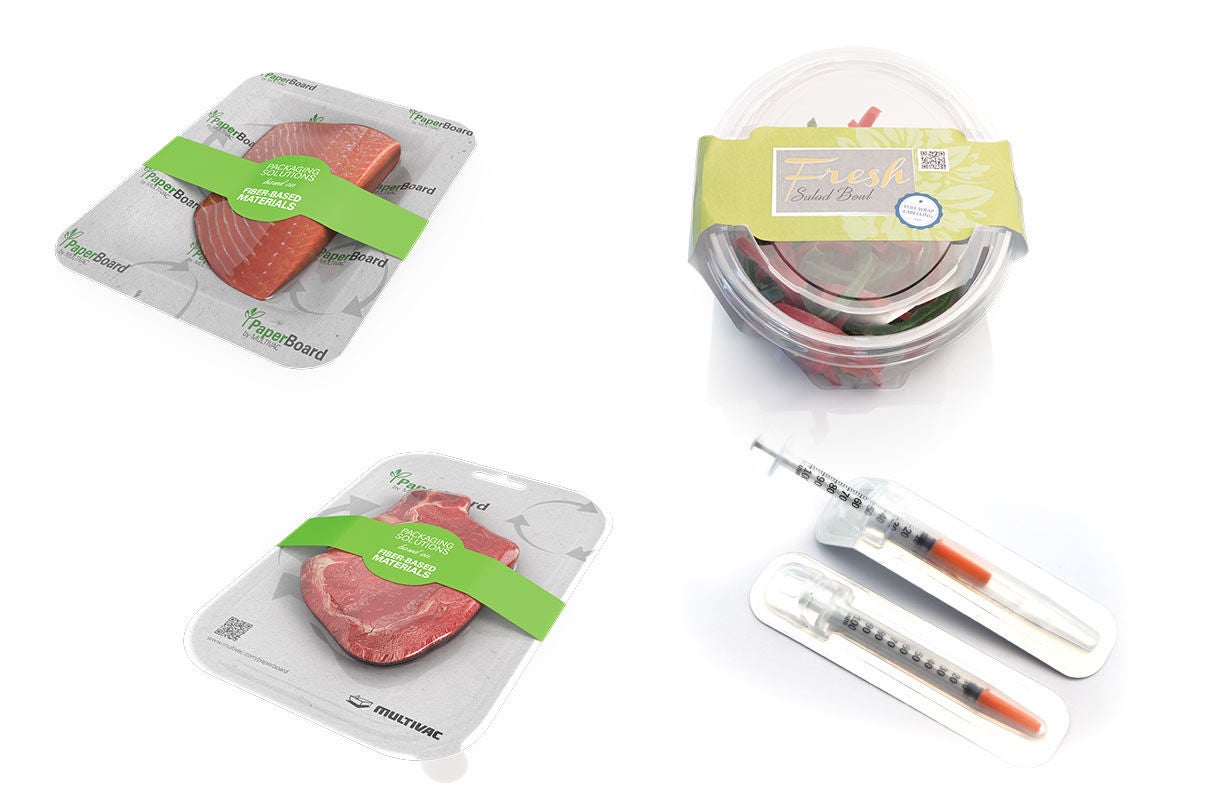 MULTIVAC Packaging Solutions for Fresh Produce

Tanja Böck
Public Relations Manager
Tel: +49 8334 601-0
Mail: press@multivac-group.com